
Home / Calibration & comparison
Large-bore flow calibration and comparison
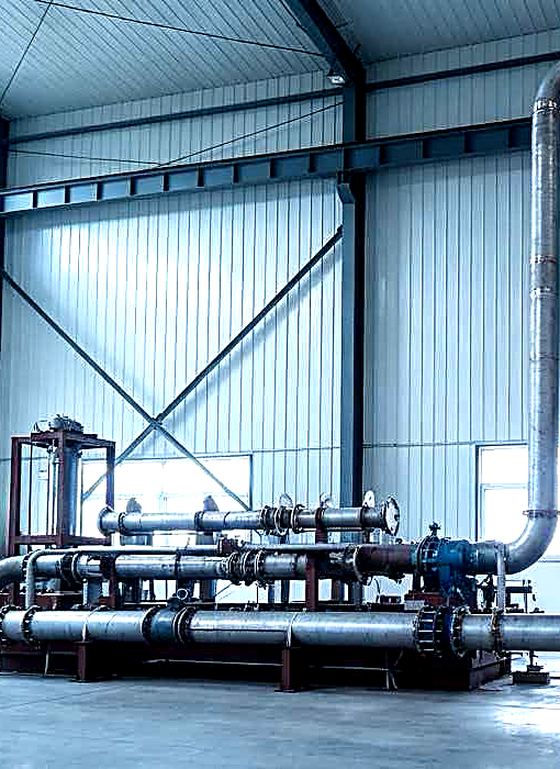
Once a flowmeter is installed, the question "is it accurate?" ends up on real flow data. We run a calibration facility for large-bore meter comparison and calibration, and provide the related technical descriptions and supporting material. The actual scope follows the facility and the technical agreement — this page explains how the job is arranged and what to prepare.
What this covers
- Meter comparison: the meter under test is connected to the standard, synchronised data is collected, and deviations and repeatability are reported.
- Calibration data: test records, result tables and explanations arranged per project, usable for acceptance or internal assessment.
- Technical descriptions: provided together with large-bore calibration work, so the client can file it internally or quote it to others.
- Site support: wiring, parameter confirmation and commissioning support once the meter is in place.
A document for trade settlement has to come from an accredited or recognised laboratory; what we provide is comparison and calibration with our facility. The two are not the same claim.
Settle these points before commissioning the job
Meter and duty
Meter type, bore and range, medium and working temperature and pressure, the accuracy required, and what is actually in dispute — an overall deviation or a few points out of tolerance.
Connections and site
Connection arrangement and flanges, upstream and downstream straight run, power supply on site, and whether there is a shutdown window for connection.
Purpose of the report
Where the data will be used: factory acceptance, project acceptance, internal assessment or a disagreement. The purpose decides the number of test points and what is recorded.
Language and format
Chinese, English or another language for the report; whether it needs a stamp, a number, and how many copies.
Documents that can be issued
| Document | Content | Where it helps |
|---|---|---|
| Comparison data sheet | Meter reading and standard value at each test point, deviation and repeatability | Project acceptance, selection review |
| Calibration description | Basic conditions of the facility and the meter, test method and data treatment | Internal filing, external explanation |
| Commissioning record | Installation, wiring, parameter setting and trial run | Pre-start confirmation, handover acceptance |
Samples can be provided on request; formal documents are issued once the project is defined. If you need a verification certificate or a third-party accredited document, tell us the purpose first and we will tell you whether that is possible.
Next step
Send the meter details and the purpose; I will first say whether it can be done and how it would be arranged. If it is within the facility's scope, we then talk timing and cost.